Boucher Guitars & Torrefaction Technology: A Pioneer in Tone Innovation
Choosing the right acoustic guitar often comes down to craftsmanship, tone, and long-term stability. Few builders have influenced these factors in modern acoustic design as deeply as Boucher Guitars, a Canadian company celebrated for its pioneering use of torrefaction technology.
This guide explores what torrefaction is, how Boucher’s early adoption shaped guitar tonality, and why it matters to players seeking a “vintage-ready” sound without decades of waiting.
What Is Torrefaction in Guitar Making?
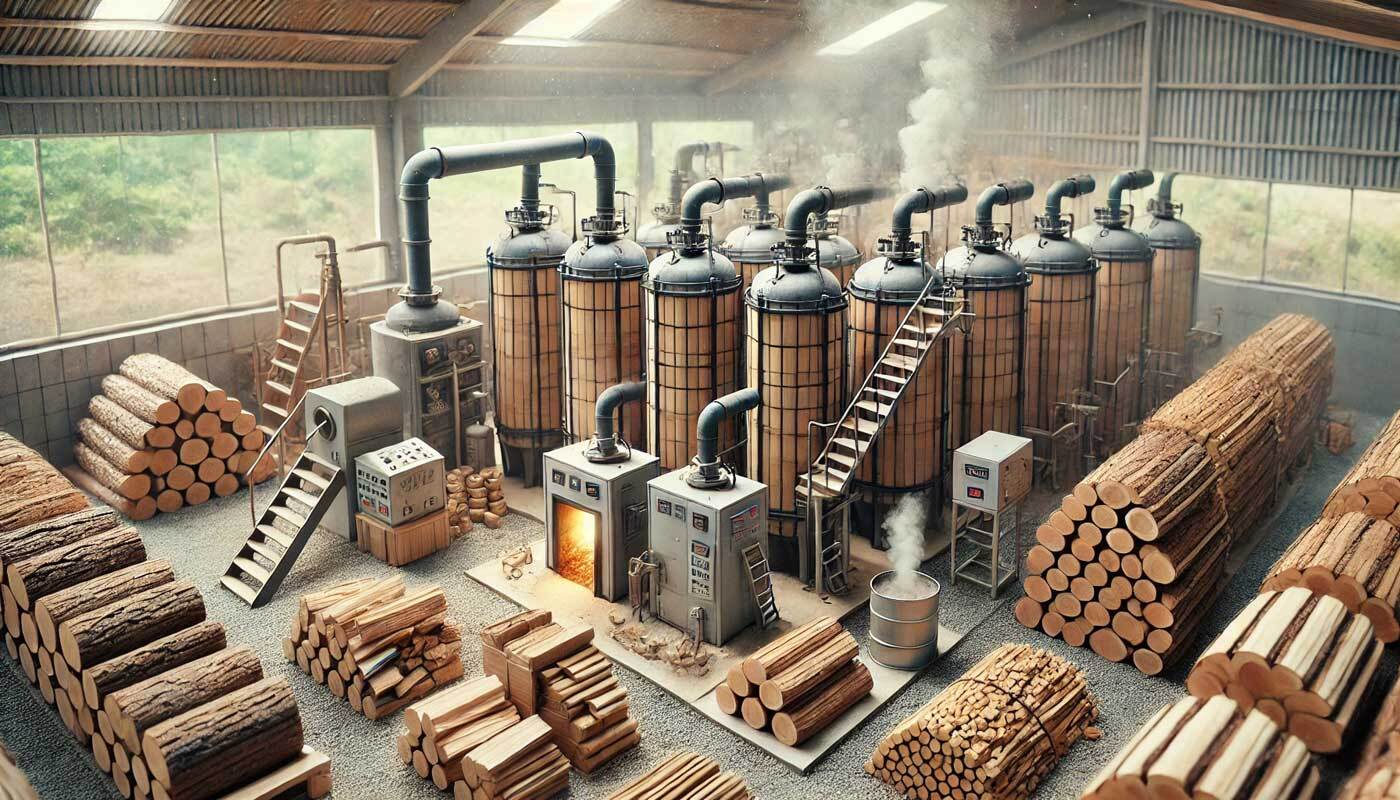
Torrefaction is a heat-treatment process applied to wood in a controlled, low-oxygen environment. This process alters the wood’s cellular structure in ways that mimic decades of natural aging.
Compared to untreated wood, torrefied wood typically offers:
- Greater stability and reduced susceptibility to humidity changes
- Lower weight
- Enhanced tonal richness and balance
- A “broken-in” feel and sound straight from the first play
Musicians often describe torrefied tops as having a matured, more open voice — similar to vintage guitars that have been played for years.
Boucher’s Revolutionary Role with Torrefied Spruce
In the early 2000s, Boucher Guitars became the first guitar manufacturer to adopt torrefied spruce for acoustic tops — particularly Adirondack and red spruce.
Rather than relying solely on naturally aged wood, Boucher’s early application of torrefaction aimed to give players instruments that sounded already open and resonant, eliminating the long break-in period that traditional guitars require.
This approach set Boucher apart, offering tone and projection that felt mature from day one — while still maintaining Martin-esque clarity, power, and musicality reminiscent of classic Martin instruments.
How Torrefaction Changed the Guitar Industry
Boucher’s bold use of torrefied tops helped influence other high-end builders to explore heat-treated woods. Today, torrefaction — often called “thermal aging” or “thermal curing” — is widely recognized as a beneficial technology in acoustic guitar manufacturing.
While many factors influence tone (body shape, bracing, tonewoods, etc.), torrefied wood consistently appears in modern premium guitars for its stability and expressive tonal characteristics.
Professional players and collectors have adopted instruments built with torrefied components for:
- Enhanced responsiveness
- Balanced overtones
- A quicker “played-in” feel
These qualities help explain why torrefaction was considered a major innovation in acoustic design.
What It Means for You as a Player
A guitar built with torrefied wood — such as a Boucher — typically delivers:
- Mature tone from the first note
- Greater tuneful sustain and resonance
- Reduced tuning instability from humidity or temperature changes
- A consistently balanced tonal spectrum across strings
Especially for players who want great acoustic tone without waiting years for the guitar to “open up,” torrefied instruments offer an immediate and reliable musical response.
Boucher’s Legacy: Tradition Meets Innovation
The adoption of torrefaction reflects Boucher’s commitment to marrying traditional craftsmanship with cutting-edge technology. Each guitar is crafted with meticulous attention to detail — delivering both aesthetic beauty and sonic performance.
From handcrafted Adirondack spruce tops to richly resonant bodies, Boucher instruments demonstrate how technique and innovation can enhance acoustic tone quality without sacrificing playability.
Frequently Asked Questions About Boucher Guitars & Torrefaction
What difference does torrefaction make in a guitar?
Torrefaction speeds up the aging process of wood, giving it tonal characteristics similar to decades of natural aging — with increased stability, reduced weight, and a more open sound.
Is Boucher really the first to use torrefied tops?
Yes — Boucher Guitars is widely credited as the first guitar manufacturer to adopt torrefied spruce tops in the early 2000s, influencing many modern builders.
Does torrefied wood sound better than non-torrefied?
Many players report that torrefied wood sounds more mature and balanced right away, eliminating the long break-in period typical of untreated wood. However, tone remains subjective.
Are there any downsides to torrefied guitars?
Torrefaction adds cost to the manufacturing process, and not all players perceive the difference the same way — but it generally enhances stability and tonal richness.
What models of Boucher guitars use torrefied wood?
Many Boucher models — including Adirondack spruce-topped guitars and models with maple back and sides — are offered with torrefied wood options in their lineup.
Talk With Us About Your Next Guitar
Curious if a Boucher with torrefied top is right for your playing style or tone goals? Give Mark Rohrer a call at 888-795-3582 — he can help you explore options and find the right instrument.
Serving Musicians Since 1991